City College is Plymouth’s anchor institution for skills, meeting the needs of the defence and maritime sectors. Through tailored training, world-class facilities, and close collaboration across the city and the region, we play a vital role in developing the defence workforce of tomorrow. We work with hundreds of employers and more than 1,630 students to prepare them for the defence jobs of the future. Careers in the defence sector offer a strong sense of fulfilment, the opportunity to contribute to cutting-edge innovations, and the reward of a highly competitive salary.
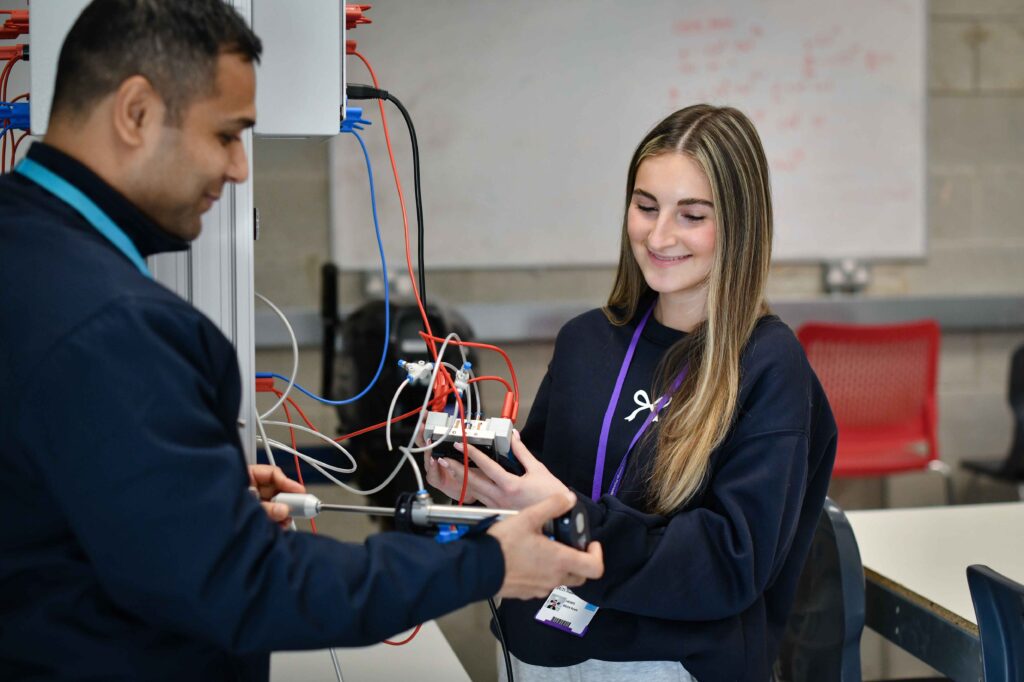
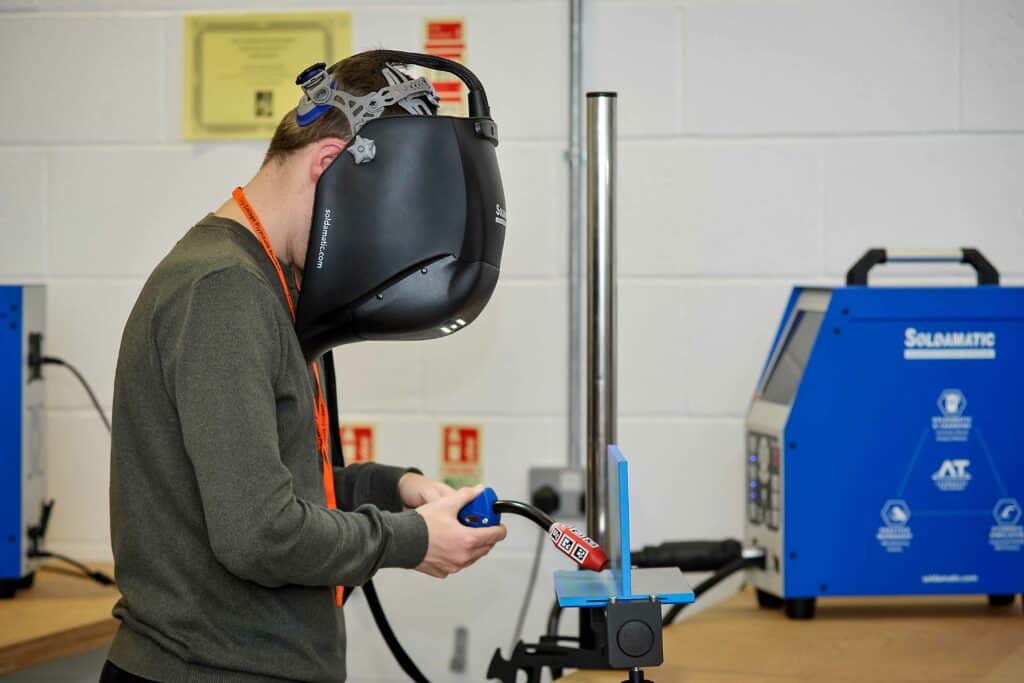
The College offers a diverse portfolio of industry-focused courses in engineering, cyber security, marine autonomous vehicles, protective services, and fabrication and welding. These programmes equip students with the technical expertise, discipline, and problem-solving skills essential for careers in defence. Developed in close collaboration with industry leaders, our courses ensure graduates are not only highly qualified but also workplace-ready, maintaining a consistent and strong pipeline of skilled professionals.
We deliver this from a unique location where defence, innovation, and education converge. We are within close reach of Devonport Dockyard, the largest naval base in Western Europe, a facility critical to national defence with which we have developed strong collaboration and partnership. The College is also at the heart of a city recognised as the National Centre for Marine Autonomy, strengthening Plymouth’s dynamic position in this field. With more than 7,100 skilled professionals employed in marine manufacturing, representing 21% of the UK’s blue-tech and marine sector workforce and 11.3% of all city employment, Plymouth and the surrounding region benefit from a thriving ecosystem of marine expertise. This recognition opens doors for collaboration within the defence sector, reinforces Plymouth’s global reputation in marine autonomy, and provides a platform for future growth.
Meet William – Success Story
William, a Naval Architect at Babcock International Group, chose a hands-on route into the maritime industry, bypassing the traditional academic path after school. He began his career with an Apprenticeship in Engineering Management at the Ministry of Defence, gaining three years of invaluable experience in the marine industry at Devonport Dockyard. This foundation helped him progress into a role at Babcock, where he specialised in engineering design for submarines, focusing on 3D modelling and technical drawings.
Although he once thought he was finished with education, William soon realised the value of further study and enrolled on a part-time Foundation Degree in Naval Architecture at City College Plymouth. Attending College one day a week, he explored areas such as boat stability, construction, and even the design and build of autonomous boats – all directly linked to his role. Completing the degree allowed him to progress into his current role as a Naval Architect, and he now has his sights set on further qualifications.

What we do
The College takes pride in shaping the individuals who keep our Armed Forces and supporting industries at the forefront of defence. Many of these journeys begin with education. We are at the forefront of developing the defence workforce of the future today, and here is how we do it.
There is nothing more important than the safety and security of our nation, and Plymouth’s defence sector remains the beating heart of the local economy, particularly through Devonport Dockyard’s role in nuclear submarine maintenance.
This year, the Council and Homes England unveiled the Plymouth City Centre Vision, outlining a shared goal of delivering 10,000 new homes in the city centre and surrounding areas. The vision highlights the anticipated £4.4billion of Government investment in Devonport over the next decade, which is expected to drive demand for new housing. With Babcock set to recruit 5,500 new employees and an additional 2,000 construction jobs emerging at the Dockyard, the plan reinforces Plymouth’s strategic role in national defence and underscores the College’s vital contribution in developing the skilled workforce to meet this demand.
Meet Robert – Success Story
Robert, a Marine Systems Engineer at Blue Ocean Marine Tech Systems, has built an exciting career in the maritime industry following 16 years in the Royal Navy where he specialised in hydrography, forecasting, navigation, surveying, and autonomous underwater vehicles. After leaving the service, he worked as a Reservist and Freelance Data Processor before moving into his current role, where he prepares and maintains unmanned underwater vehicles and develops new procedures for the industry.
Keen to continue learning, Robert enrolled on the Foundation Degree in Marine Autonomous Vehicles at City College Plymouth – the only course of its kind in the UK. Studying part-time alongside his job, he explored areas such as mechatronics, software development, naval architecture, and object-oriented programming, all of which fed directly into his day-to-day work. Robert will soon be stepping into a new role as a Field Engineer for Teledyne Webb Research, working with a wide range of cutting-edge autonomous underwater vehicles.