Skip to content

V LEVELS – NEW FOR SEPTEMBER 2027!

Alongside A Levels and T Levels, V Levels are the new level 3 qualifications that offer a vocational pathway for students who want to explore different sectors before deciding where to specialise. The two-year qualification will allow you to study subjects with a practical, career-focused approach while giving you the flexibility to combine different subjects.

V Levels will:

  • provide high-quality vocational pathways
  • help you to develop skills relevant to employment
  • support progression into work, Apprenticeships or higher education.

From September 2027, the College will offer V Levels in digital and finance and accounting.

image

How V Levels Work

V Levels (vocational levels) are new level 3 applied vocational qualifications for 16-to-19-year-olds in England. Equivalent in size to one A Level, they are scheduled for first teaching in September 2027 and will eventually replace older vocational options like BTECs.


image

Difference between V, T and A Levels

V Levels bridge the gap between academic theory and workplace training, offering a middle ground between the highly academic A Levels and the fully technical T Levels. 

The comparison table below outlines the core differences across England’s post-16 education pathways starting from September 2027:

FeatureA LevelsV Levels (Vocational)T Levels (Technical)
Primary FocusAcademic theory and deep subject knowledge.Applied knowledge mixed with practical skills.Comprehensive training for a specific occupation.
Course SizeEqual to one A Level.Equal to one A Level.Equal to three A Levels (full-time course).
Typical MixStudents usually take three separate subjects.Can be combined freely with A Levels or other V Levels.Taken as a standalone, single block qualification
Industry PlacementNone required.None required (though courses include practical elements).Mandatory 45-day (minimum 315 hours) workplace placement.
Assessment StylePrimarily written exams at the end of two years.Mixed assessment (written exams and practical projects).Mixed assessment (exams, practical projects, employer tasks).
Main DestinationHigher education (university).Higher education, higher Apprenticeships, or employment.Immediate skilled employment or higher Apprenticeships.

Why study a V Level?

Core Features

Size and Structure: each V Level matches the size of a single A Level, meaning students can mix and match V levels with traditional A Levels or other qualifications. 

Flexibility: unlike T Levels, they do not require a mandatory 45-day industry placement and do not focus on a single specific occupation, allowing students to keep their options open for university or work.

Assessment: they blend applied theoretical study with practical, project-based assessments.

STILL HAVE QUESTIONS?

Click the link below to learn more about V Levels.

image

View our prospectus

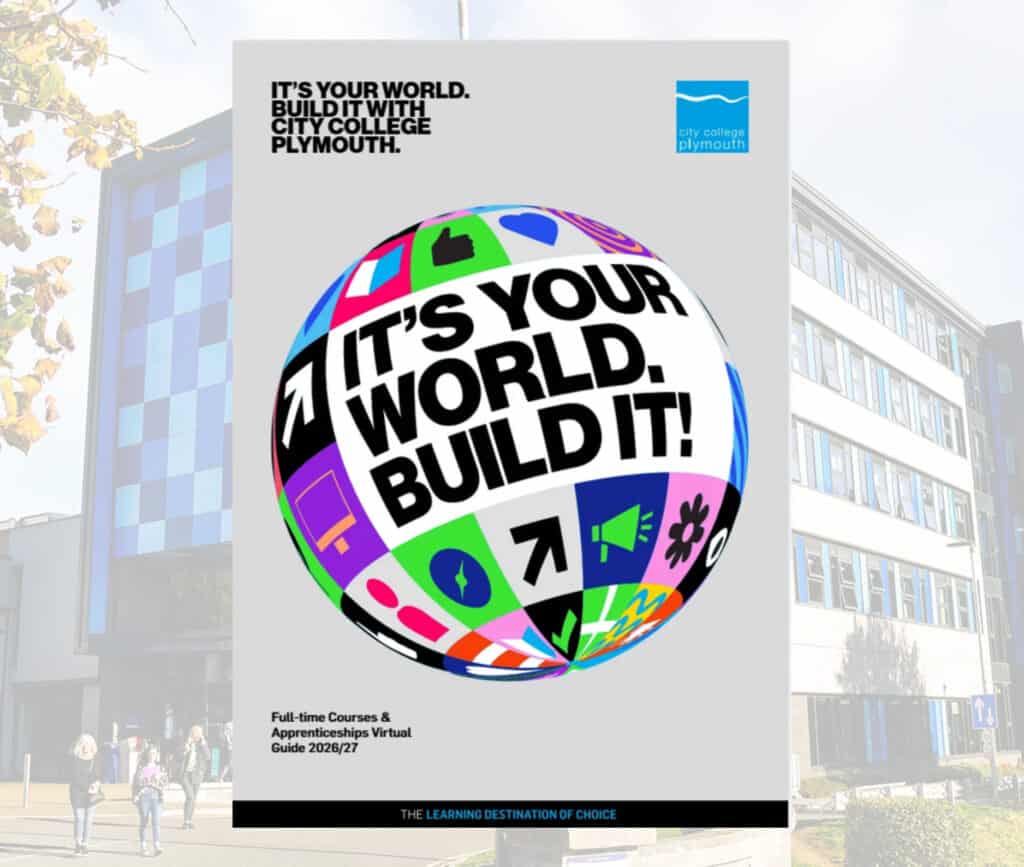
Click the button below to view our Full-time Courses and Apprenticeships Virtual Guide for 2026/27.